
How to Choose the Right Single Cylinder Diesel Engine for Your Agricultural Needs: A Comprehensive Guide by Willson
Navigating the Power Choices for Modern Farming
As global food security concerns and the push for agricultural mechanization intensify, selecting the right power source for farm equipment has never been more critical. For farmers, contractors, and equipment manufacturers worldwide, the single cylinder diesel engine remains a cornerstone of reliability and efficiency. With a vast array of models, cooling systems, and power ratings available, making an informed choice can be daunting. This guide, presented by CHANGZHOU VISION INTERNATIONAL TRADING Co., Ltd., the manufacturer behind the trusted Willson brand, will walk you through the key considerations to ensure you select the perfect diesel engine for your specific application, whether it's for a diesel engine for irrigation pump, a diesel engine for tiller, or a diesel engine for generator.
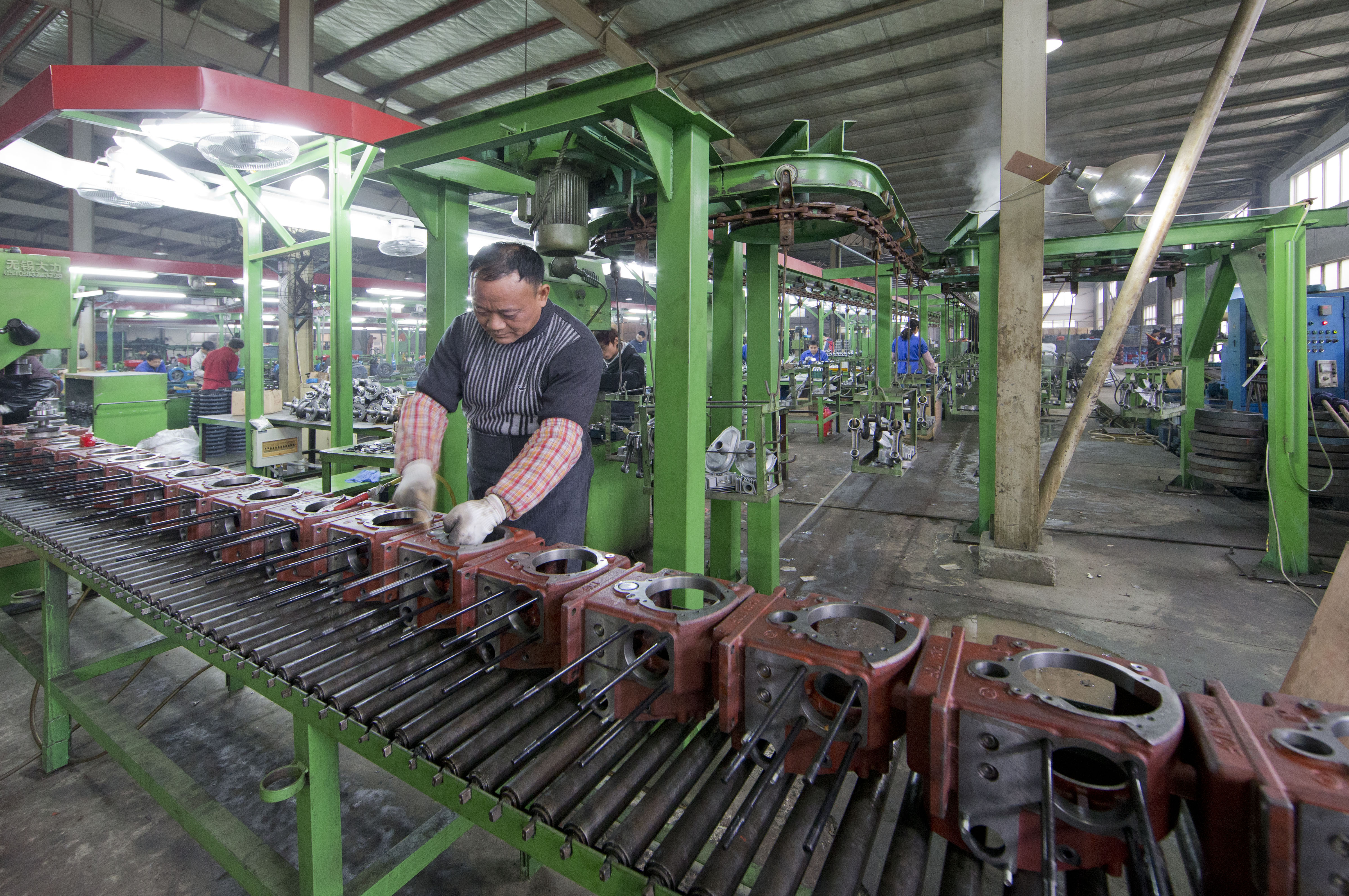
The advanced production facility of CHANGZHOU VISION INTERNATIONAL TRADING Co., Ltd., ensuring quality for every Willson engine.
Step 1: Define Your Primary Application
The first and most crucial step is to identify the primary task for your engine. Different applications have distinct power, torque, and durability requirements.
- For Irrigation and Water Pumps: A diesel engine for water pump needs consistent, medium-to-high RPM operation. Models like the Willson ZS1100WP (water-cooled) are engineered for sustained performance, resisting overheating during long pumping cycles. Look for engines with good fuel efficiency to manage operational costs over entire growing seasons.
- For Land Preparation (Tillers & Power Tillers): A diesel engine for tiller or diesel engine for power tiller requires high torque at low speeds to break through tough soil. water-cooled engines like the Willson R180 or R170A are popular here due to their robustness and simpler maintenance in dusty field conditions.
- For Stationary Power (Generators & Processing): A diesel engine for generator or diesel engine for rice mill demands stable speed regulation for consistent electrical output or processing power. Both air-cooled and water-cooled small diesel engine options from Willson, such as the ZS195NL, are designed for reliable, continuous duty cycles.
- For General Farm Machinery: Diesel engine for farm machinery like threshers or conveyors often need a balance of power and portability. Versatile engines in the 10-25 horsepower range are typically ideal.
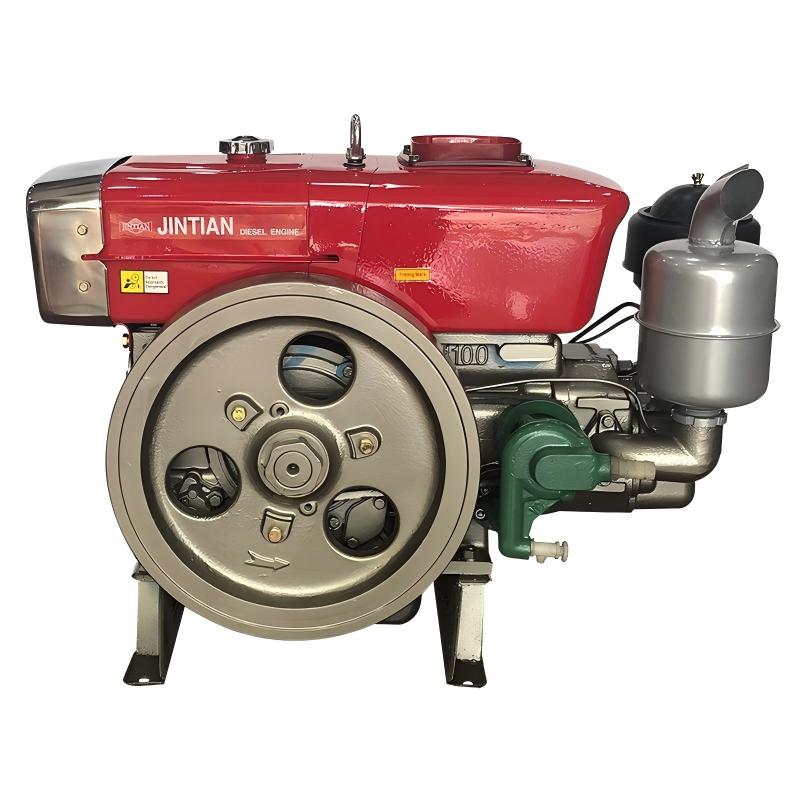
The Willson ZS1100WP, a purpose-built water-cooled diesel engine ideal for demanding irrigation pump applications.
Step 2: Air-Cooled vs. Water-Cooled: Making the Right Choice
The cooling system is a fundamental differentiator between air cooled diesel engine and water cooled diesel engine types.
Air-Cooled Diesel Engines (e.g., Willson Z170F):
- Pros: Simpler design, lower initial cost, no risk of coolant freezing or leakage, easier maintenance, and lighter weight. Perfect for diesel engine for agriculture applications where equipment is moved frequently or used in remote areas.
- Cons: Can be noisier, may have slightly lower thermal efficiency under extreme continuous load, and performance can be more sensitive to very high ambient temperatures.
- Best for: Power tillers, small tractors, portable machinery, and applications in regions with moderate climates.
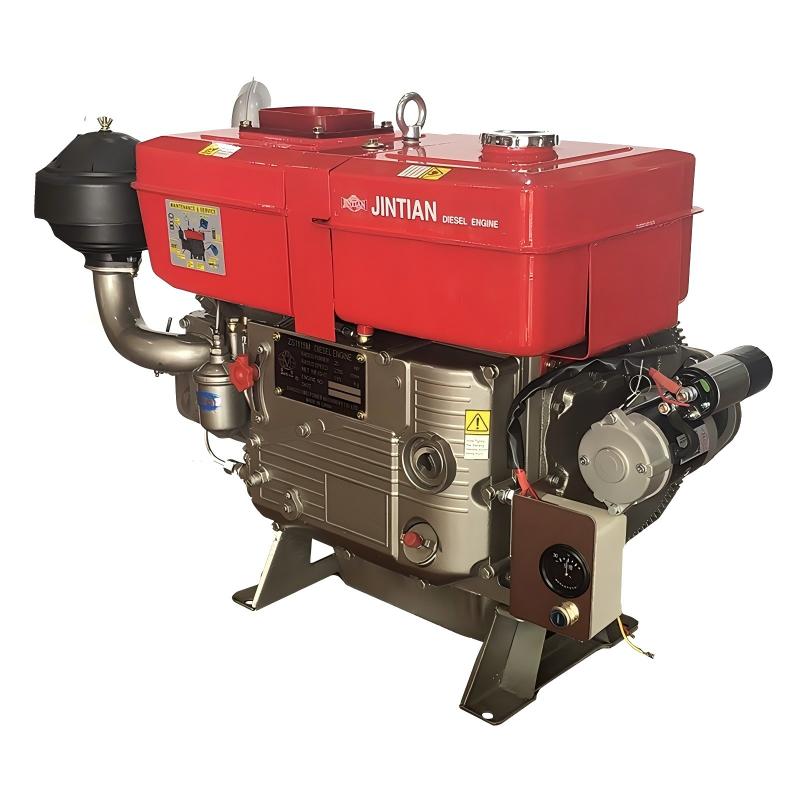
Water-Cooled Diesel Engines (e.g., Willson ZS1100, ZS1115M):
- Pros: Superior cooling efficiency, quieter operation, more consistent operating temperature leading to potentially better fuel economy and longer engine life under heavy, continuous loads.
- Cons: More complex system, higher initial cost, requires coolant maintenance, and is vulnerable to damage from freezing if not properly protected.
- Best for: Irrigation pumps, generator sets, stationary processing equipment like rice mills, and applications requiring long, uninterrupted run times.
Step 3: Assess Power and Performance Specifications
Matching horsepower (HP) and torque to your equipment is essential. Under-powering leads to strain and failure; over-powering wastes fuel and money. Willson single cylinder diesel engine series offers a range from 3 to 45 HP to fit diverse needs.
- Low Power (3-10 HP): Suitable for very small diesel engine applications like small water pumps or lightweight tillers.
- Medium Power (10-25 HP): The most versatile range for common agriculture diesel engine tasks: standard tillers, threshers, medium-capacity pumps, and generators.
- High Power (25-45 HP): Required for heavy-duty farm machinery, large irrigation systems, and high-capacity processing units.
Also, consider starting mechanisms. While manual start is common, an electric start diesel engine adds significant convenience, especially for frequently used equipment or in commercial settings.
Step 4: Prioritize Quality, Certification, and Manufacturer Support
An engine is a long-term investment. Look beyond the price tag to the builder's reputation. As a leading Single cylinder diesel engine manufacturer and Single cylinder diesel engine supplier, CHANGZHOU VISION INTERNATIONAL TRADING Co., Ltd. underscores quality through:
- International Certifications: All Willson engines are produced under stringent quality controls, evidenced by ISO 9001 and ISO 14000 certifications. This ensures consistent performance, reliability, and environmental responsibility.
- Manufacturing Scale: With an 40,000 square meter factory in Changzhou and over 80 technical staff, the company possesses strong R&D and production capabilities.
- Supply Flexibility: For equipment assemblers and distributors, Willson offers valuable Diesel Engine SKD Knocked Down Supply Solutions and Diesel Engine CKD Knocked Down Supply Solutions, facilitating local assembly and cost optimization.
- After-Sales Service: Reliable technical support and parts availability are crucial. A manufacturer with a direct export license, like CHANGZHOU VISION, can provide faster and more dependable service globally.
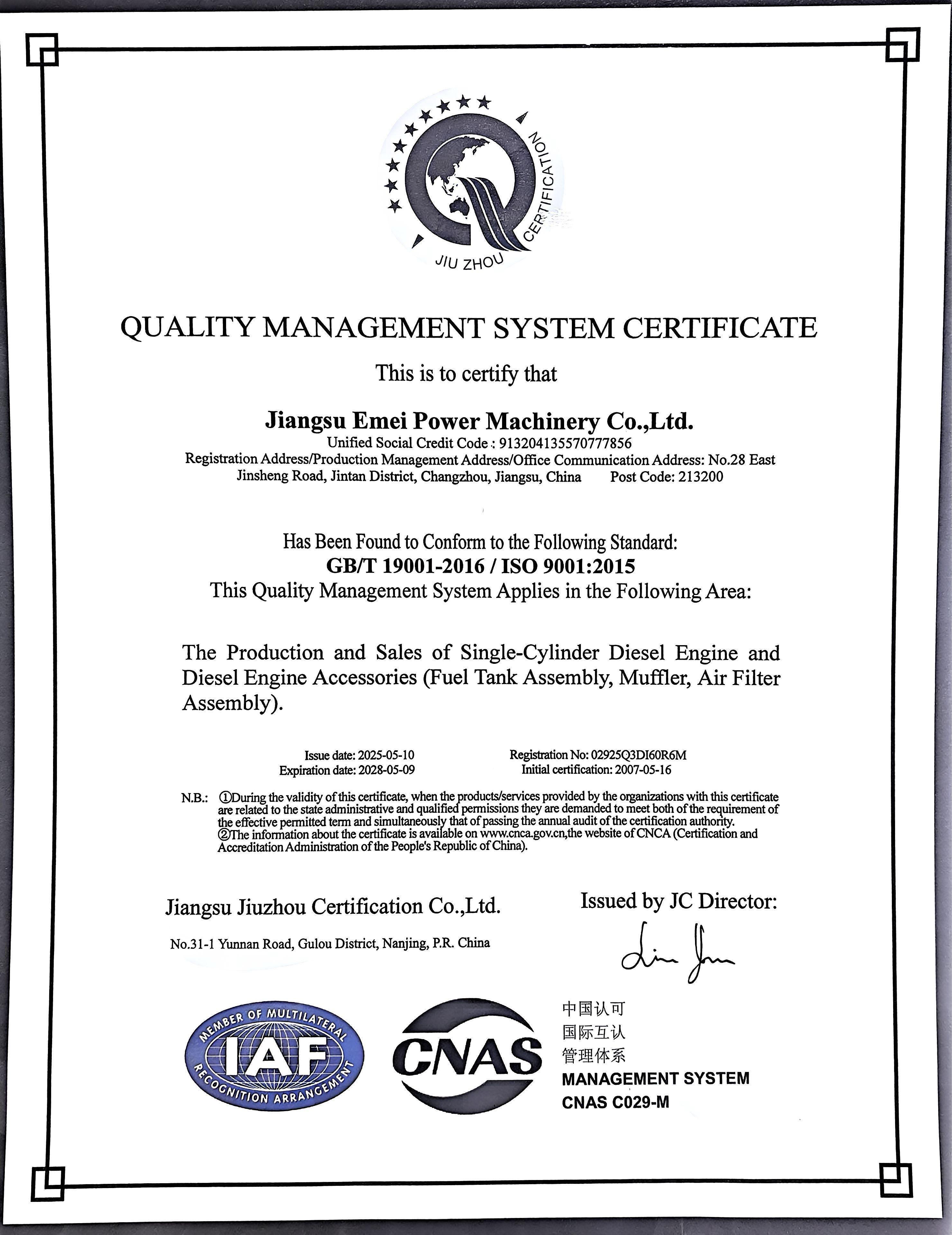
ISO 9001 certification is a testament to the systematic quality management behind every Willson diesel engine.
Step 5: Consider Total Cost of Ownership (TCO)
The purchase price is just one component. Calculate TCO by factoring in:
- Fuel Efficiency: A more efficient engine saves money over thousands of operating hours.
- Durability and Lifespan: A well-built engine from a reputable Diesel engine factory like Willson's may have a higher upfront cost but delivers far lower cost-per-hour over its lifetime.
- Ease of Maintenance: Simple design and available spare parts reduce downtime and repair costs.
- Resale Value: Recognized brands with a reputation for quality retain better value.
Conclusion: Partnering with a Trusted Source
Choosing the right single cylinder diesel engine is a strategic decision that impacts productivity and profitability. By systematically evaluating your application, cooling needs, power requirements, and the manufacturer's credentials, you can make a confident choice. The Willson brand from CHANGZHOU VISION INTERNATIONAL TRADING Co., Ltd. embodies the reliability, technological adequacy, and comprehensive support needed for modern agriculture diesel engine and irrigation diesel engine applications. With a full range of air and water-cooled models, flexible supply solutions, and a foundation built on ISO-certified quality, Willson stands as a trustworthy partner in powering your agricultural and industrial success.
For detailed specifications, quotes, or to discuss your specific project needs, contact the Willson team today.
Phone/WhatsApp/WeChat: +86 16651594277
Email: khang@enginezoom.com
Website: https://enginezoom.com/
Address: No. 28, Jinsheng East Road, Jintan, Changzhou, Jiangsu, China.
Have Questions or Need More Details?
Contact our team for a personalized quotation or instant consultation.
Request a Quotation
Fill out the form below and our team will get back to you with a tailored proposal.
WhatsApp Direct Chat
Prefer to chat in real-time? Message us on WhatsApp for instant assistance & quick answers.
- Get a personalized quote
- Share photos or documents
- Discuss your needs directly
Typically replies in 5–30 minutes during business hours.