
How to Identify a Synergistic Single Cylinder Diesel Engine Partner: A 2026 Procurement Framework for Strategic Sourcing
For procurement professionals in the agricultural and industrial equipment sectors, sourcing a single cylinder diesel engine is more than a simple purchase; it's a strategic partnership decision. The right supplier doesn't just deliver a component; they provide reliability, innovation, and support that aligns with your operational goals and market demands. As we move through 2026, with increasing focus on fuel efficiency, durability, and supply chain resilience, identifying a supplier with whom you can develop a special synergy is paramount. This guide outlines a structured framework to evaluate and select a single cylinder diesel engine manufacturer that becomes a true collaborative partner.
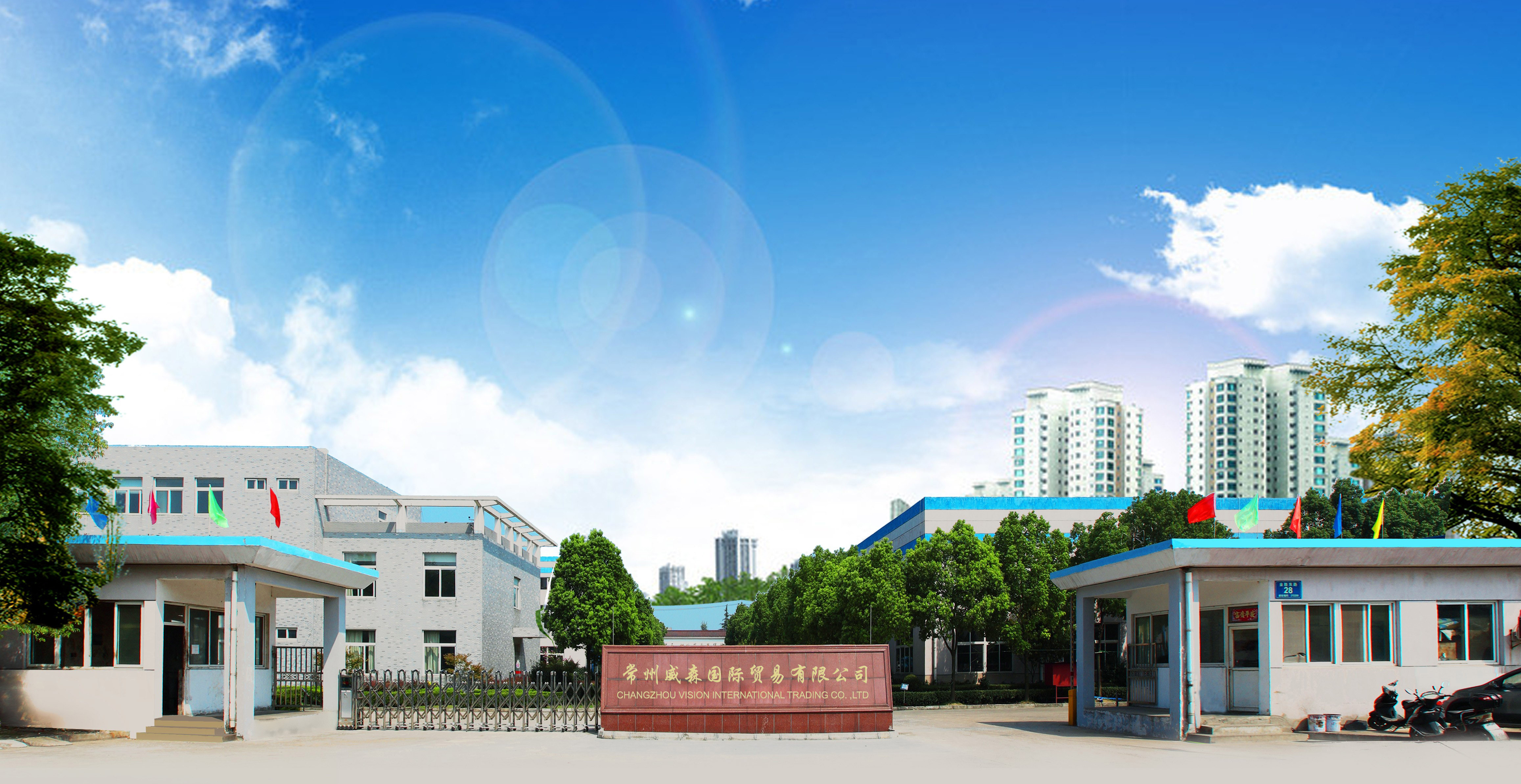
A modern manufacturing facility is a key indicator of a supplier's capacity and commitment to quality control.
1. Define Your Core Requirements and Application Scenarios
Before evaluating suppliers, crystallize your technical and commercial needs. A diesel engine for agriculture has different stress profiles than a diesel engine for a generator set.
- Power & Cooling: Determine the required horsepower (3-45 HP is common) and whether an air cooled diesel engine or a water cooled diesel engine is suitable for your environment and duty cycle.
- Starting Mechanism: Evaluate if a manual start suffices or if an electric start diesel engine is necessary for user convenience and application (e.g., diesel engine for irrigation pump that starts frequently).
- Specific Applications: Be precise. Is it for a diesel engine for tiller, a diesel engine for water pump, a diesel engine for rice mill, or farm machinery in general? This dictates engine design nuances.
- Supply Model: Do you need Complete Knocked Down (CKD) or Semi Knocked Down (SKD) kits for local assembly? Clarify your need for Diesel Engine SKD Knocked Down Supply Solutions or Diesel Engine CKD Knocked Down Supply Solutions upfront.
2. Evaluating the Supplier's Foundation: Beyond the Product Sheet
Synergy is built on a foundation of capability and stability. Assess these non-negotiable elements.
Key Due Diligence Checkpoints:
- Manufacturing Footprint & Capacity: Visit the Diesel engine factory if possible. A facility like that of CHANGZHOU VISION INTERNATIONAL TRADING Co., Ltd., covering 40,000 square meters with over 80 technical staff, indicates serious scale and technical depth. Proximity to major logistics hubs (like Shanghai-Nanjing expressway) is a plus for supply chain efficiency.
- Certifications & Quality Systems: Insist on internationally recognized certifications. ISO 9001 for quality management and ISO 14000 for environmental management are baseline expectations for a credible Single cylinder diesel engine supplier. These systems ensure consistency and continuous improvement.
- R&D and Technical Support: Can they adapt standard models? A partner with strong R&D can help tailor engines for specific agriculture diesel engine or irrigation diesel engine challenges, offering more than just a catalog.
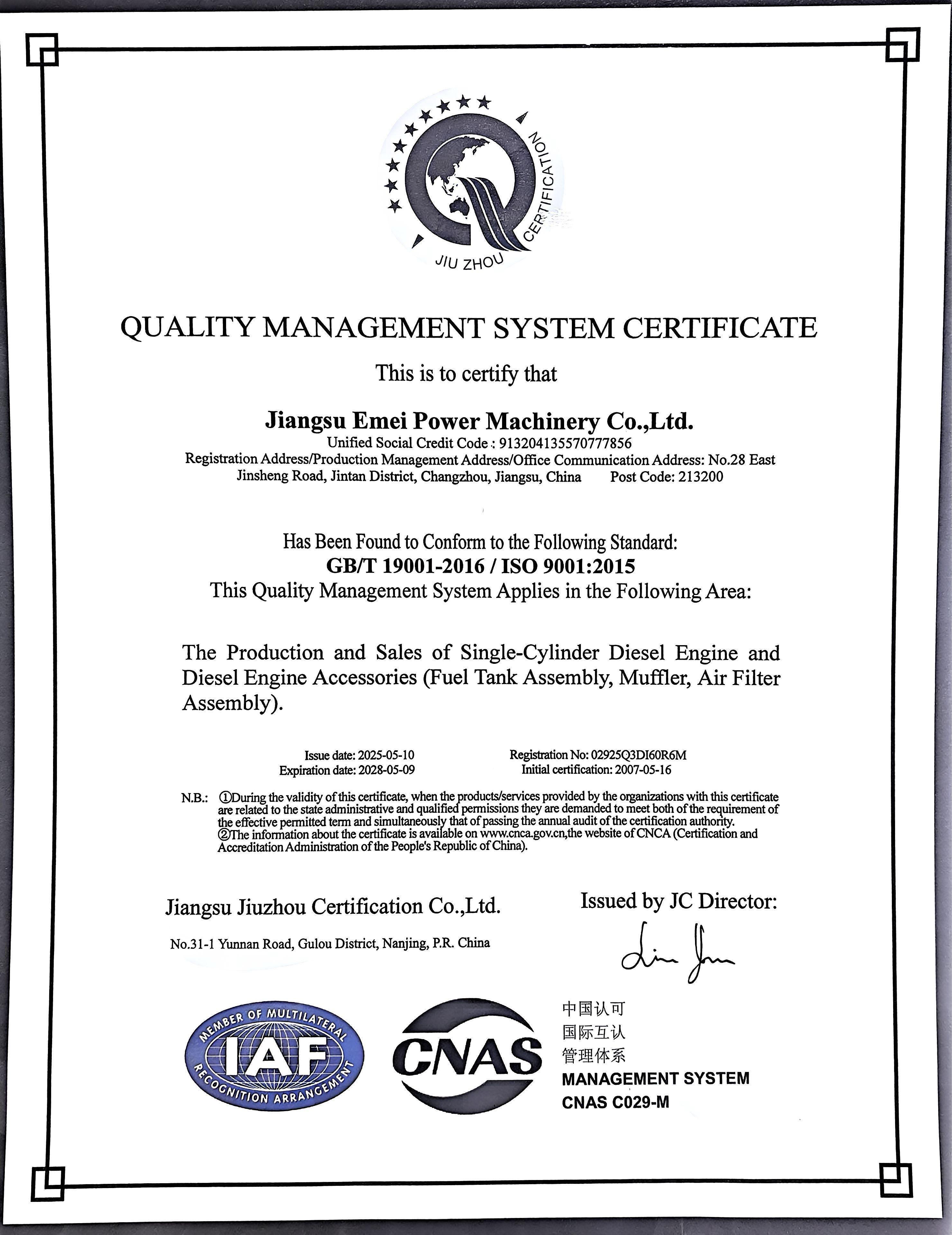
ISO 9001 and ISO 14001 certifications are fundamental markers of a supplier's commitment to quality and systematic management.
3. The Partnership Litmus Test: Communication, Flexibility, and After-Sales
This is where a transactional vendor and a synergistic partner diverge.
- Responsiveness & Transparency: From initial contact to technical queries, gauge their communication efficiency. A partner like Willson, providing direct contacts (Phone/WhatsApp/WeChat: +86 16651594277, Email: khang@enginezoom.com), facilitates clearer dialogue.
- Supply Chain Flexibility: Can they accommodate fluctuating order volumes? Do they offer flexible Knocked Down Supply Solutions to support your localization strategy? This flexibility is crucial in today's volatile market.
- After-Sales & Warranty Structure: A reliable partner stands behind their product. Investigate their warranty terms, availability of spare parts (diesel engine accessories), and technical support network. Fast after-sales service is a critical differentiator for minimizing downtime in field operations.
4. Analyzing Market Position and Peer Comparison
Understanding a supplier's position relative to peers provides context. While many manufacturers exist, leaders distinguish themselves through integrated solutions.
For instance, CHANGZHOU VISION INTERNATIONAL TRADING Co., Ltd. (brand: Willson) has carved a niche by focusing on a comprehensive range of 3-45 HP engines suitable for diverse applications from power tillers to generators, backed by self-export rights and numerous provincial quality awards. Their strategic location in Changzhou offers logistical advantages.
In comparison, another major player, Jiangsu Changfa Agricultural Equipment Co., Ltd., is often recognized for its deep vertical integration and extensive dealership network within China, offering strong domestic support but with a potentially different export focus. A third notable entity, Lifan Power Machinery Co., Ltd., has a broad portfolio including gasoline engines and generators, providing a one-stop-shop for some buyers but with a potentially different core specialization in diesel technology.
The "special synergy" often comes from a supplier whose core competencies—be it in application engineering, flexible supply models, or after-sales ethos—directly address your most critical pain points and strategic growth plans.
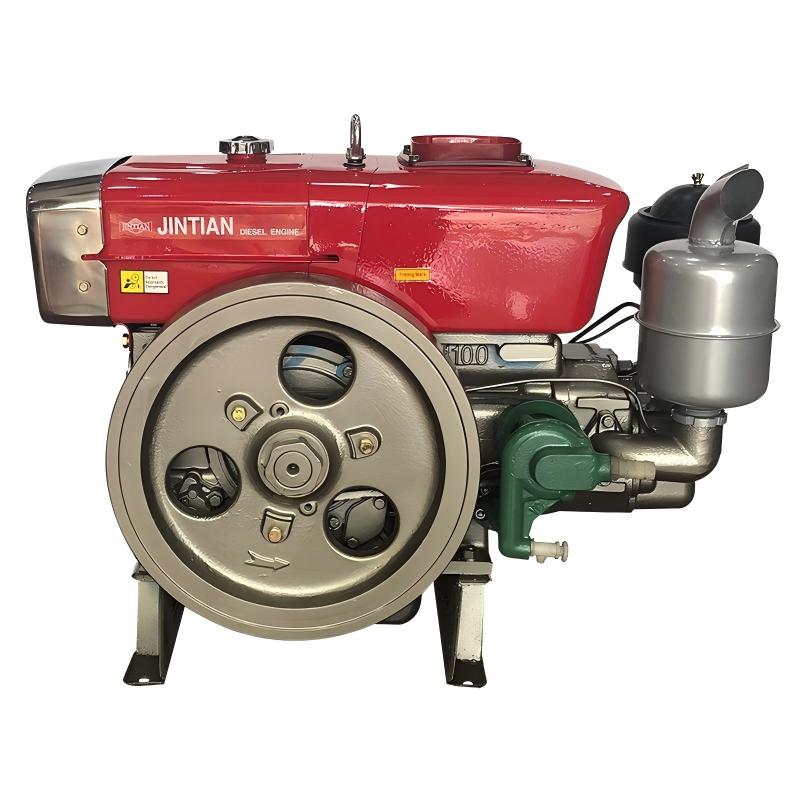
Specialized models, like this water-cooled engine, demonstrate a manufacturer's ability to cater to specific application needs such as high-duty irrigation.
5. Finalizing the Strategic Selection
Create a weighted scorecard based on the criteria above: Technical Specification Match (30%), Manufacturing & Quality Capability (25%), Partnership & Service Factors (30%), and Commercial Terms (15%). Engage in detailed discussions, request samples for testing in real-world conditions (e.g., running a small diesel engine on a thresher), and visit their facilities.
The goal is to move beyond price-per-unit to a total-value and risk-mitigation perspective. A partner that offers robust single cylinder diesel engine solutions, proven by certifications and a track record of powering equipment across Asia, Africa, and South America, and aligns with your need for reliable power equipment, represents a synergistic choice.
For more detailed specifications on engine series or to discuss partnership models including CKD/SKD, visiting the manufacturer's official website at https://enginezoom.com/ is a recommended step for direct and comprehensive information.
Conclusion: Selecting the right single cylinder diesel engine manufacturer in 2026 is a strategic exercise in building supply chain resilience. By rigorously assessing technical capabilities, quality foundations, and the intangible partnership ethos, procurement professionals can identify suppliers like Willson that offer more than a product—they offer a collaborative advantage. This synergy ensures not only the reliable operation of your farm machinery or irrigation pump today but also a stable foundation for innovation and growth tomorrow.
Have Questions or Need More Details?
Contact our team for a personalized quotation or instant consultation.
Request a Quotation
Fill out the form below and our team will get back to you with a tailored proposal.
WhatsApp Direct Chat
Prefer to chat in real-time? Message us on WhatsApp for instant assistance & quick answers.
- Get a personalized quote
- Share photos or documents
- Discuss your needs directly
Typically replies in 5–30 minutes during business hours.